
Planning a concrete project in South Sound? Here is what to expect from local pros, including timing, costs, and the work itself.
Concrete is one of those things people do not think about until they need it. A cracked driveway. A sinking patio slab. A new walkway for a side yard that has turned to mud every winter. We get it. Concrete work is not glamorous. It is not the kind of project you brag about at a dinner party. But it changes how your whole property looks and how it holds up over time.
If you live in the South Sound area, you already know our weather is hard on outdoor surfaces. Wet winters, mossy springs, dry summers, and then back to rain again. Concrete here has to be poured right, finished right, and sealed right, or it starts to show wear way too fast. We have worked with homeowners across this region for years, and the team at North Cascades Concrete has seen pretty much every kind of slab situation you can imagine. So today we want to walk through what an actual concrete project looks like from start to finish.
Why Concrete Work Is Not as Simple as It Looks
People sometimes think concrete is just pouring some grey stuff into a wooden box and waiting. We wish it were that easy. The truth is, a good slab takes prep work that most folks never see. Soil grading. Base material. Forms. Rebar or wire mesh. Vapor barriers in some cases. Then the actual pour, the finishing, and the curing.
A slab poured on bad ground will crack within a year. We have seen it happen more times than we can count. Someone hires a guy with a mixer truck, he pours straight onto loose dirt, and by next winter there are spider cracks running across the surface. That is what we are trying to help you avoid.
Have you ever wondered why some driveways look great after twenty years while others start crumbling at year three? It almost always comes back to what was done before the concrete ever got poured.
The Steps in a Real Concrete Project
So what should you actually expect? Here is the rough flow of a typical project at your house.
First, the crew comes out and looks at the site. They measure, talk through what you want, and check the ground. They ask questions like, where does water drain right now? Is there a slope? Are tree roots a problem nearby? These things matter more than people realize. Then you get a written quote.
If you sign on, the crew comes back to prep the site. They dig out the area, level it, and pack down a base of crushed rock. They build wooden forms around the edges to shape the slab. They lay rebar or wire mesh inside for strength. Some jobs need a vapor barrier under the slab too, especially for patios near foundations.
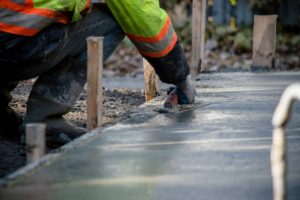
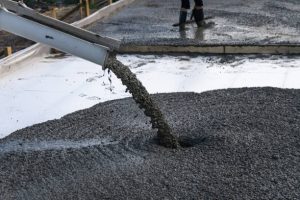
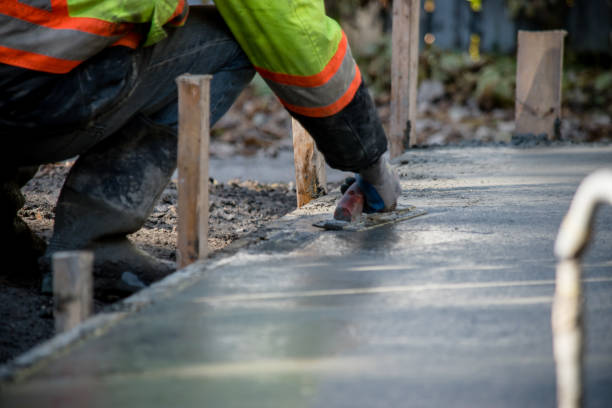
Then the pour happens. A truck rolls up, the concrete chutes down into the forms, and the crew spreads, screeds, and floats it. Finishing comes next. This is where you pick the look. Smooth troweled. Broomed for grip. Stamped to look like stone. Each finish has its own feel.
After the pour, the slab needs to cure. That means leaving it alone, keeping it moist, and not walking or parking on it too soon. Full cure takes about 28 days, though you can usually walk on a slab after 24 to 48 hours.
A Quick Comparison of Common Concrete Finishes
Here is a side by side of the finishes folks ask us about most:
| Finish Type | Best For | Cost Range | Lifespan |
| Broom finish | Driveways, walkways | Lower | 25-30 years |
| Smooth trowel | Indoor floors, garages | Mid | 30+ years |
| Stamped concrete | Patios, pool decks | Higher | 25-30 years with sealing |
| Exposed aggregate | Driveways, patios | Mid to high | 30+ years |
| Stained concrete | Patios, entryways | Mid | 20-25 years |
Each one has a place. We tend to push stamped or broom finishes for outdoor projects in the South Sound because they hold up well to wet weather.
What the Research Says About Concrete Lifespan
There is real data behind the claim that good concrete lasts a long time. The Portland Cement Association reports that properly installed and maintained concrete pavements can last 30 to 50 years before any major repair is needed. That is a long time. Compare that to asphalt, which usually needs replacement at 15 to 20 years.
A 2023 study from the National Ready Mixed Concrete Association also found that concrete surfaces reflect more light than asphalt, which keeps the surface cooler and reduces fading. In a sunny summer, that matters more than you think. Hot dark surfaces also pull heat into your home through nearby walls.
The point is, when concrete is done right, it is one of the best long-term investments you can make on a property. Working with the Best concrete patio installation in South Sound team makes a real difference in how the slab ages.
A Story From a Job We Did
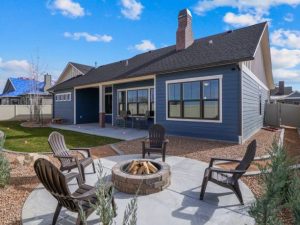
We had a family in Lacey a couple summers back. They had a back patio that was poured by some random crew almost ten years before. The slab had heaved on one side, sat in a puddle on the other, and was cracked right down the middle. They wanted us to patch it up cheap. We had to be honest with them. Patching would just kick the can down the road another year or two.
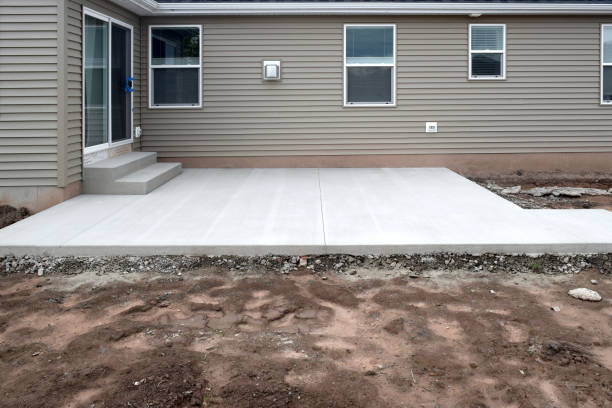
We pulled the old slab, regraded the soil, put down proper base rock, and poured a new stamped patio with a slope toward the lawn so water moved off it. Two years later they had us back to do a walkway along the side of the house, and they told us the patio still looks like the day we poured it. That is what it should look like.
Picking the Right Crew Is Half the Battle
Honestly, the crew matters more than the brand of cement, the rebar, or any of the materials. We say this a lot. A trained crew with average materials will give you a better slab than a sloppy crew with premium materials. Every time.
When you are looking for help, ask these questions:
- How long has the crew been working in your area?
- Can they show you photos of jobs they finished three to five years ago?
- Do they have insurance and proper licensing?
- What kind of warranty do they offer on the work?
- Do they handle the prep work themselves or sub it out?
That last one trips people up. Some companies pour the slab but sub out the grading and base work to whoever is cheapest. That is where most slab failures start.
What Concrete Work Actually Costs
People always want a ballpark number, so we will give you one. In the South Sound, a basic concrete patio runs about $8 to $12 per square foot for a standard broom finish. Stamped or stained finishes push that up to $14 to $20 per square foot. Driveways usually fall in the $10 to $15 range depending on size and prep needs.
Bigger projects often come out cheaper per square foot because the crew already has equipment on site. A 100 square foot pad costs more per foot than a 500 square foot patio. Just how it works.
Caring for Your Concrete After the Pour
A new slab needs a little care to last. We tell folks to seal their concrete every two to three years for outdoor surfaces. Sealing keeps water from soaking into the surface, which is the main cause of cracking and pitting in our climate.
Avoid using harsh deicers in winter. Calcium chloride and rock salt eat away at concrete over time. A simple snow shovel and some sand for grip is much kinder to your slab. Also, do not park a heavy vehicle on a fresh slab for at least a week. Even after it feels hard, the concrete is still building strength underneath.
Wrapping It Up
A solid concrete project adds real value to your property. It looks clean, it lasts decades, and it lifts the curb appeal of your whole place. The work is not cheap, but done well, it pays you back every year you live there. Take your time picking a crew, check their past work, and ask about prep more than the pour itself. The team at Trusted concrete installation services in South Sound is ready when you want to talk through your project.
Frequently Asked Questions
How long does new concrete take to fully cure in the South Sound climate? Concrete reaches full strength at about 28 days, but you can walk on it after 24 to 48 hours and drive on it after about a week. Our wet weather actually helps curing in some ways since concrete needs moisture to set properly. Cold snaps slow things down though, so winter pours need extra care.
Is stamped concrete a good choice for our wet weather? Yes, stamped concrete works well here if it gets sealed every couple of years. The sealing keeps water from getting into the stamped patterns where it can cause damage during freeze-thaw cycles. Done right, a stamped patio lasts 25 to 30 years easily in this climate.
Can a cracked driveway be repaired or does it need full replacement? That depends on the crack. Small surface cracks under a quarter inch can often be sealed and saved. Bigger cracks, ones that go all the way through, or slabs that have shifted usually mean replacement. A good crew will tell you the honest answer rather than push for the bigger job.
Do you need permits for concrete work at home? For most patios and small walkways, no. Driveways that connect to a public road usually need a permit from the city or county. Pouring inside a setback, near property lines, or anything structural also needs permits. A local crew will know what your specific job needs.
What time of year is best for concrete work in the South Sound? Late spring through early fall is the sweet spot. Dry weather makes prep easier and curing more predictable. Winter pours are possible but need blankets, heaters, and extra care. We do them when we have to, but if you can plan ahead for May through September, your slab will turn out better.