
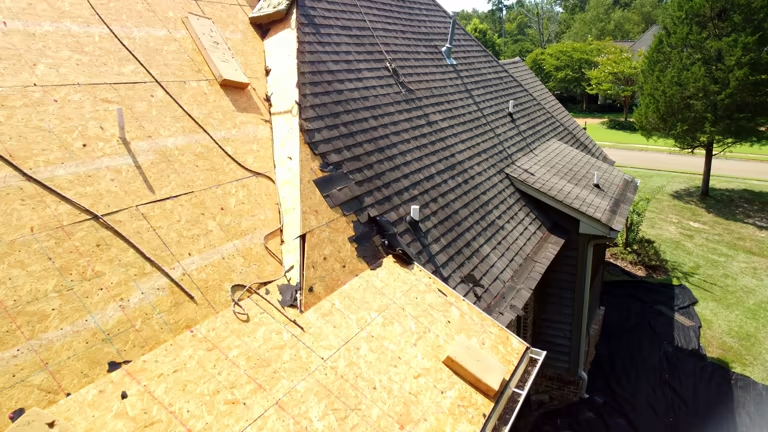
Planning residential roof installation in Central Washington? Learn real costs, material options, and what to budget for a long-lasting roof.
A roof is one of those things people forget about until something goes wrong. A small leak. A missing shingle after a windstorm. That weird brown spot on the ceiling you keep meaning to look at. We get it. Roofs are easy to ignore because they sit up there quietly doing their job for years. But when it comes time to replace one, the numbers can surprise even folks who thought they were ready.
If you live in Central Washington, the climate puts more stress on a roof than most people think. Hot dry summers, hard freezes in winter, surprise hailstorms in spring, and wind that whips down through the valleys. Your roof takes a beating every season. We have worked with families across this part of the state for years, and the team at North Cascades Concrete has stood on plenty of rooftops alongside building crews. So today we want to walk through what a residential roof install actually costs out here, and what goes into that price.
Why Roofing Costs Vary So Much
People often look at two quotes that come in $8,000 apart and wonder what is going on. Usually one of three things explains the gap. Either the materials are different, the prep work is different, or the crew is different. Sometimes all three.
A cheap quote often leaves out things like underlayment upgrades, ice and water shield, ridge venting, or proper flashing around chimneys. Those are the parts of a roof you cannot see from the ground but that decide whether your house stays dry for 25 years or starts leaking in three. So a low bid is not always a good deal. We have seen homeowners pay for two roofs in the time they could have had one solid one.
Have you ever noticed how some houses on your street still look great after twenty years while others already need patching? It almost always comes back to install quality and material choice.
Material Choices and What They Cost
The biggest factor in your roofing cost is what you put on top. Here is a side by side of the common picks for residential roofs in Central Washington:
| Roofing Material | Cost Per Square Foot Installed | Lifespan | Best For |
| 3-tab asphalt shingles | $4.50 – $7.00 | 15-20 years | Tight budgets |
| Architectural shingles | $7.00 – $10.00 | 25-30 years | Most homes |
| Metal roofing | $10.00 – $16.00 | 40-70 years | Long-term owners |
| Tile roof | $12.00 – $20.00 | 50+ years | High-end homes |
| Cedar shake | $9.00 – $14.00 | 25-30 years | Custom builds |
For a 2,000 square foot home in our area, that puts a basic shingle roof somewhere around $9,000 to $14,000. A mid-range architectural shingle roof lands closer to $14,000 to $20,000. Metal roofs run $20,000 to $32,000 but pay you back over the long haul with much longer life and lower maintenance.
The Hidden Costs Most People Miss
Material is just one piece of the puzzle. Here are the costs that catch people off guard:
- Tear-off of the old roof, usually $1 to $2 per square foot
- Plywood decking replacement if the old wood is rotted
- Ice and water shield in valleys and along eaves
- Synthetic underlayment versus old felt paper
- New flashing around chimneys, skylights, and vents
- Disposal fees for hauling off old shingles
- Permit fees, which vary by county
A 2024 report from the National Roofing Contractors Association found that the average residential roof replacement in the western U.S. ran $13,200, but jobs requiring decking repair averaged $2,800 more on top of that. Once your old shingles come off, sometimes the surprises start.
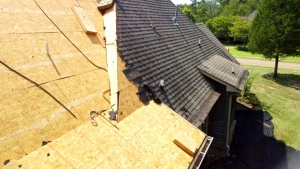
We had a family in Wenatchee last spring who thought they were getting a $15,000 roof. The old roof came off and we found about 40% of the decking had soft spots from years of slow leaks. Their final bill came in at $19,500 because of the wood replacement. Painful, but better to fix it once than keep patching forever.
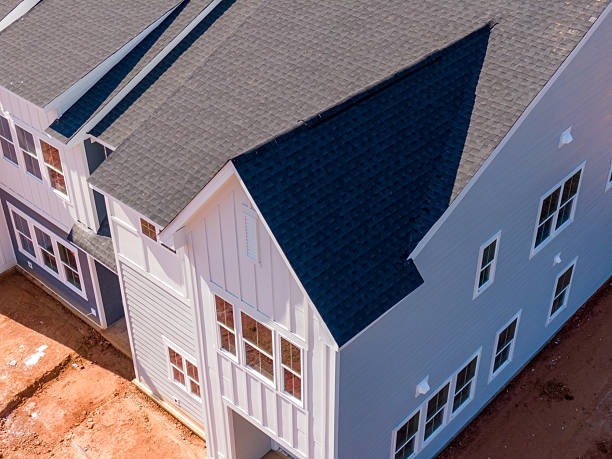
What Central Washington Weather Means for Your Roof
Out here, your roof has to handle a wider temperature range than most parts of the country. Summer surface temps on dark shingles can hit 150 degrees. Winter cold snaps drop below zero with wind. That kind of swing makes materials expand and contract over and over, which wears them out faster than in milder climates.
Snow load matters too. The Washington State Building Code requires roofs in Central Washington to handle higher snow loads than coastal areas. A roof not built for our snow can sag, crack rafters, or worse. So the framing under the roof is just as important as the shingles on top.
If you want help finding affordable roofing services in Central Washington, ask local crews about their experience with snow load engineering and proper attic ventilation. Both matter more here than in flatter, milder regions.
Picking the Right Crew Matters
Here is something we say a lot. The crew matters more than the brand of shingle. Always has. A trained crew with mid-grade materials gives you a better roof than a sloppy crew with premium ones.
When you ask for quotes, look for these things:
- A Washington State contractor license number
- General liability insurance and workers comp
- A written quote with line items, not just one big number
- A solid warranty on both materials and labor
- Photos of jobs they finished three to five years back
- References from local homeowners you can call
A 2023 study from the Insurance Institute for Business and Home Safety found that 90% of roof failures during severe weather events came down to install errors, not material defects. Read that again. The shingles do their job almost every time. It is the install that fails.
Timing Your Project Right
When you do the work matters more than people realize. Late spring through early fall is roofing season here. Crews can move fast, materials seal properly, and inspections happen on time. Winter installs are possible but harder. Cold weather makes shingles brittle, and self-sealing strips on shingles need warmth to bond properly.
We usually tell folks to plan a roof project for May through September if they can. Get on a crew’s schedule early though. Good roofing crews in this area book out two to three months ahead by mid-summer.
How to Stretch Your Budget Without Cutting Corners
We hear it all the time. “Can we go cheaper?” Sometimes yes, sometimes no. Here is where you can save real money without hurting the roof:
- Stick with architectural shingles instead of metal or tile
- Choose a neutral color that holds heat less
- Schedule the work in the slower fall season
- Get three quotes and pick the middle one, usually
- Combine the roof job with other exterior work for one mobilization
Here is where you should not save:
- Underlayment quality, since it is the second line of defense
- Flashing around chimneys, skylights, and valleys
- Proper attic ventilation
- The skill of the install crew
Cutting corners on those four items is how short roof lifespans happen.
Wrapping It Up
Budgeting for a new roof feels stressful at first, but it gets easier once you know what goes into the price. A good roof is one of the smartest things you can spend on as a homeowner. It protects everything else in the house, lifts your resale value, and gives you 25 to 50 years of peace of mind depending on what you pick. Get a few quotes, ask the right questions, and pick a crew with a real local track record. If you want help finding a Trusted residential roof installation in Central Washington, our team is happy to point you toward folks we have worked with for years.
Frequently Asked Questions
How long does a roof installation take on an average Central Washington home? Most residential roofs in our area take two to four days to install once the crew is on site. Bigger homes or roofs with lots of valleys, dormers, or chimneys can stretch to a week. Bad weather adds time too, so spring jobs sometimes drag out a day or two more than summer ones.
Can I install a new roof over my old shingles to save money? Some places allow it, but we almost always advise against it. Layering shingles hides decking problems, traps heat, and shortens the new roof’s lifespan by years. Most warranties on quality shingles also require a clean tear-off before install, so you lose that coverage if you skip it.
What is the best roofing material for Central Washington homes? Architectural shingles work well for most homes here and balance cost with lifespan. Metal roofs are the best long-term pick if you can afford the higher upfront cost, since they handle our temperature swings and snow loads beautifully. Tile is great for high-end homes but the heaviest option to install.
Do I need a permit to replace my roof? Yes, most cities and counties in Central Washington require a permit for any roof replacement. Your roofing contractor usually pulls the permit as part of the job. Skipping the permit can cause problems when you go to sell the house later, and some homeowners insurance policies will not cover unpermitted work.
How can I tell if my roof actually needs replacing or just repair? Look for curling, cracking, or missing shingles, and check inside the attic for daylight or water stains. Roofs over 20 years old with three or more of those signs usually need full replacement. A good roofer will give you an honest answer about repair versus replace rather than push for the bigger job.